Natural Habitat
Bourbon from Madagascar:

Madagascar’s Planifolia or “Bourbon vanilla” thrives in a unique ecosystem, requiring:
- A tropical climate with abundant warmth and sunlight.
- High humidity levels.
- Frequent and plentiful rainfall.
Vanilla Fair is a Madagascar vanilla producer and B2B supplier founded in 2016, with production sites in Maroantsetra, Madagascar, and its head office in Cesson-Sévigné, near Rennes, France. Green beans from partner growers around Maroantsetra are cured at our Ambaniala complex in 12 steps, from reception and sorting to drying, grading and conditioning. Quality control follows HACCP protocols, with moisture and vanillin testing of the lots.
Curing terms are defined in our vanilla lexicon.
Vanilla cultivation requires ideal climate and skilled techniques
Vanilla cultivation is an art that requires an ideal climate and meticulous attention.
That is why we produce our vanilla in tropical regions with fertile soil. Our farmers use manual pollination techniques, but above all rigorous monitoring of the plantations. This careful attention allows us to obtain vanilla beans of exceptional quality, which fully capture the essence of this precious spice.
Bourbon from Madagascar:
Madagascar’s Planifolia or “Bourbon vanilla” thrives in a unique ecosystem, requiring:
Madagascar Planifolia is grown by cuttings from vines 8 to 10 mm in diameter, taken from a healthy mother plant.
Plantations are organized with 2 meters between each row and each plant.
Vanilla cannot be pollinated without external help; it is necessary to pollinate it manually, flower by flower. Since the flowers are very ephemeral, producers pollinate them as soon as they find them open during their daily inspections.
The vanilla industry is highly specialized and segmented.
Key players include:


Every vanilla flower is pollinated by hand.
The vanilla flower opens for a single morning. That same morning it is pollinated by hand: the lip is held back to uncover the column, a thin splinter lifts the flap under the anther, and the thumb presses the pollen onto the stigma.
The green pods ripen on the vine for eight to nine months. They are then harvested by hand, pod by pod, as each one ripens, before curing begins.

Since the very beginning, our mission has been to produce high-quality vanilla by adopting fair trade practices. Our expertise in vanilla allows us to take an ethical and eco-responsible approach. Our methods are therefore respectful of both the environment and the local communities with whom we work closely. In addition to making the most of the natural wealth of the growing regions, this approach actively supports the economic and social development of our farming partners.
Discover the intricate process of curing and drying vanilla beans to enhance their flavor and aroma, and how we ensure the highest quality standards
Our Curing Process
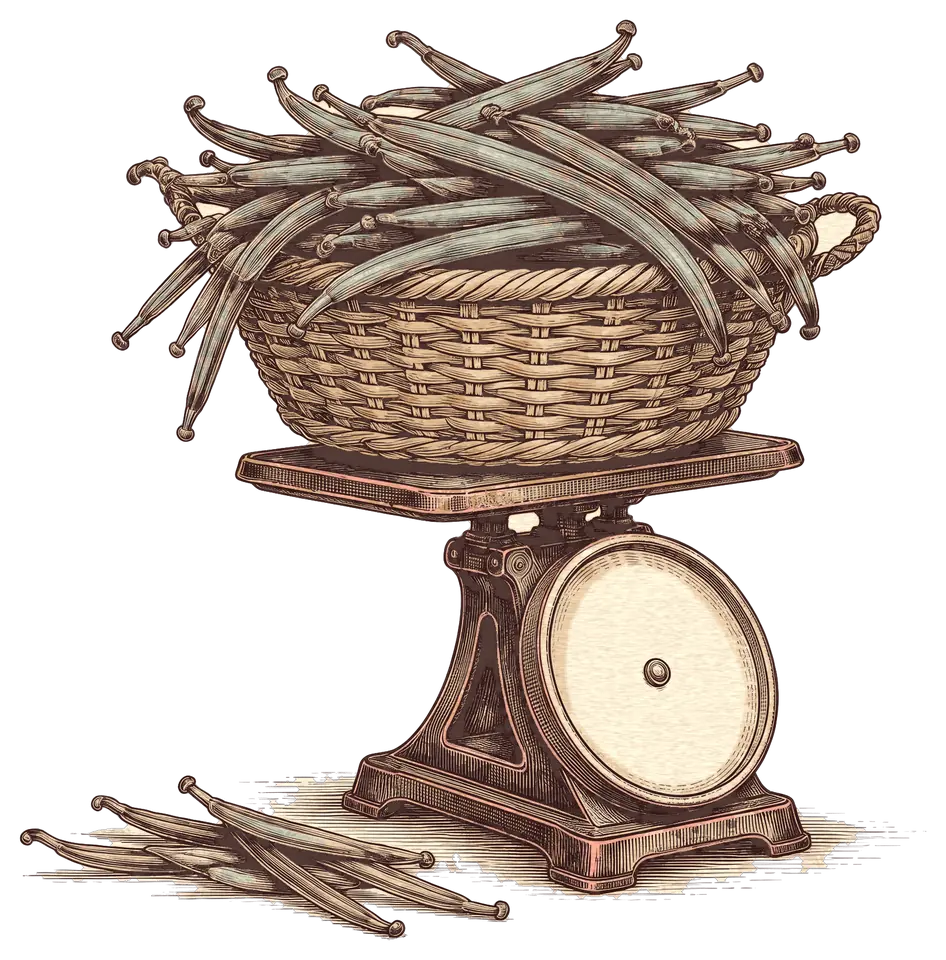
Upon arrival, the green vanilla beans are immediately weighed to ensure they comply with current standards.
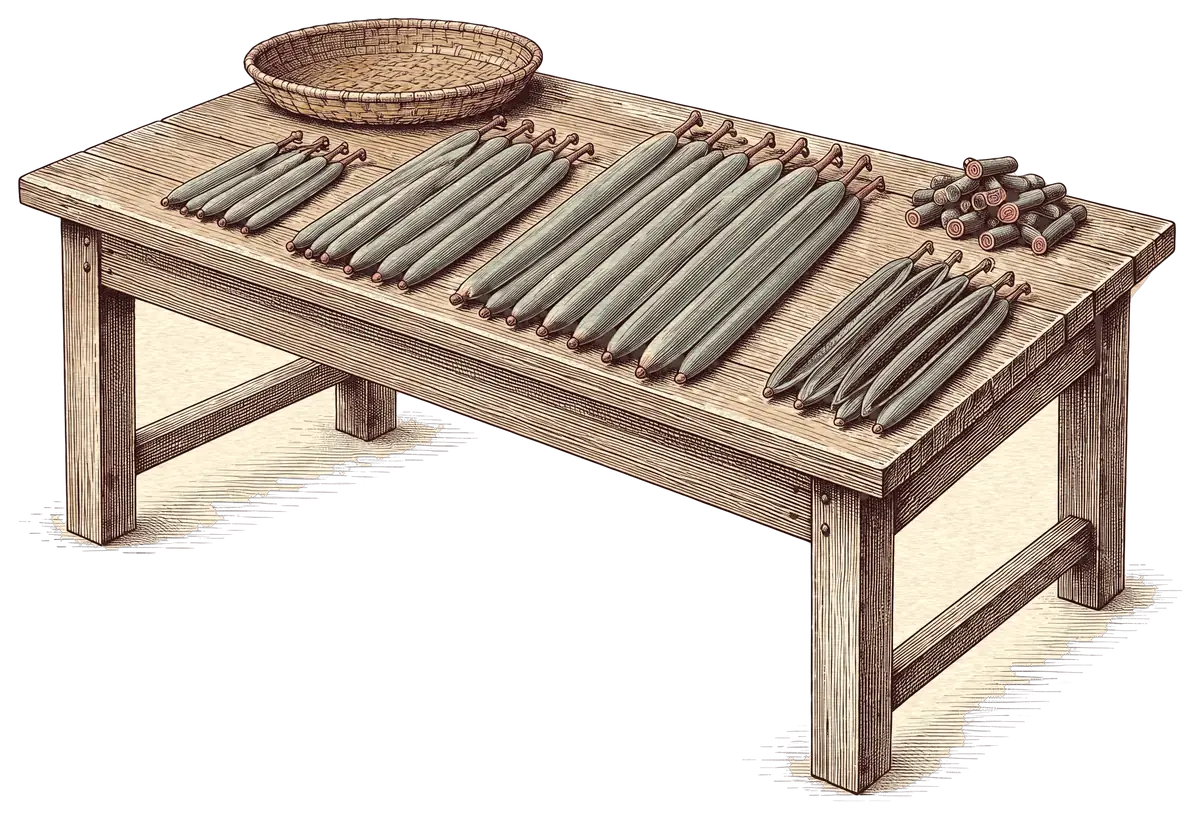
The beans are sorted by size and maturity. Split pods are separated from whole pods and the last pieces of branches are removed.
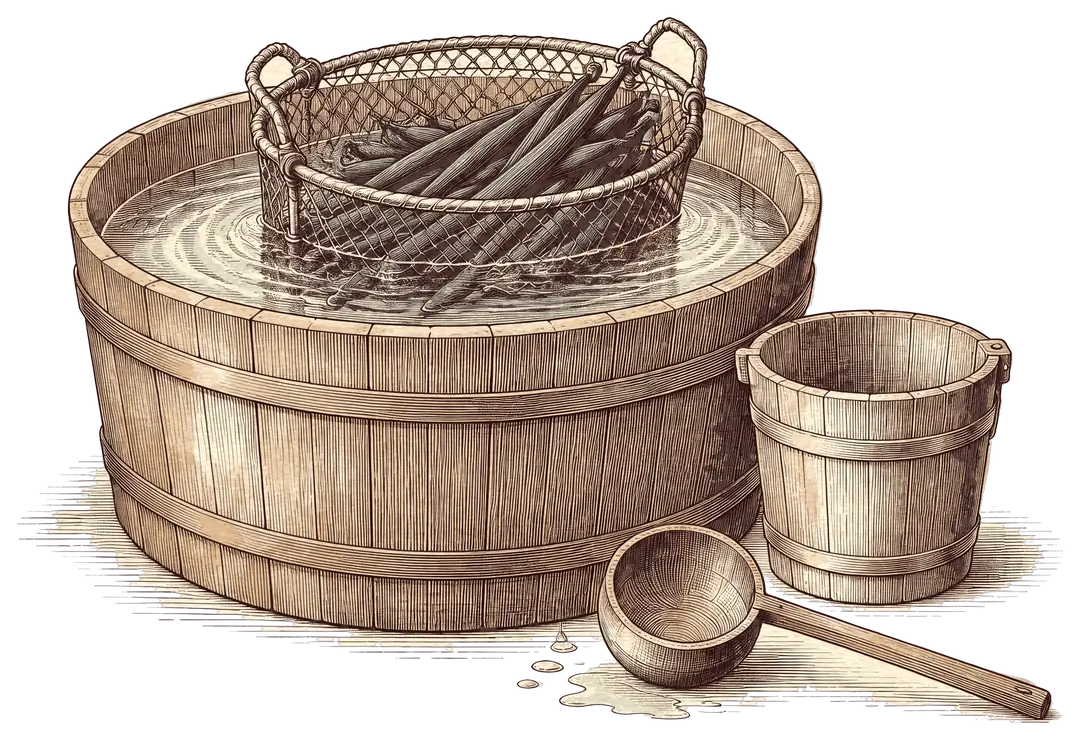
Once stripped and sorted, the green beans are washed with clean water to remove any soil residue. The transformation of the vanilla can then begin.
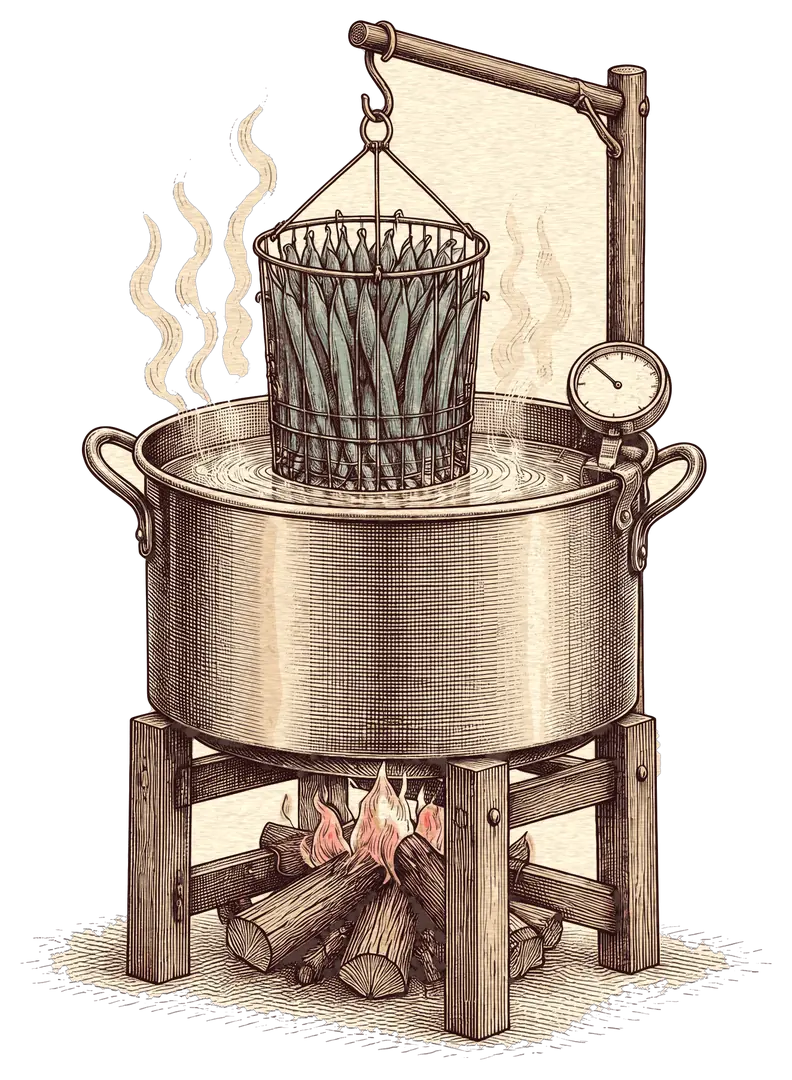
The beans are immersed in hot water at 63°C for about 3 minutes, which softens them and develops their aroma. This step breaks down the cellular structure of the pods and initiates the aroma development process.
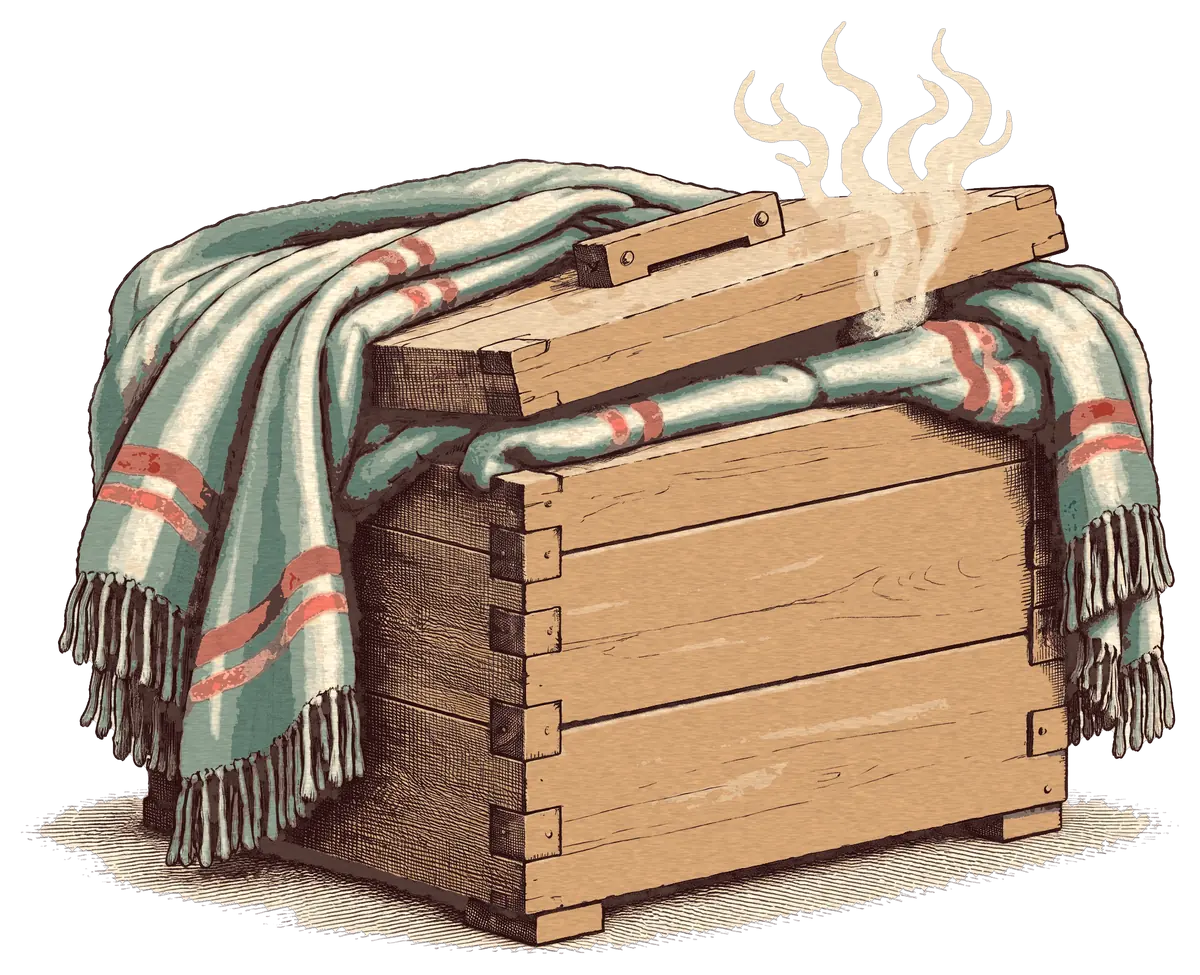
As soon as they come out of the dipping, the beans are steamed in large wooden boxes and wrapped in woolen blankets to achieve a temperature above 40°C (104°F) for 48 to 72 hours, continuing the biochemical processes initiated during dipping.
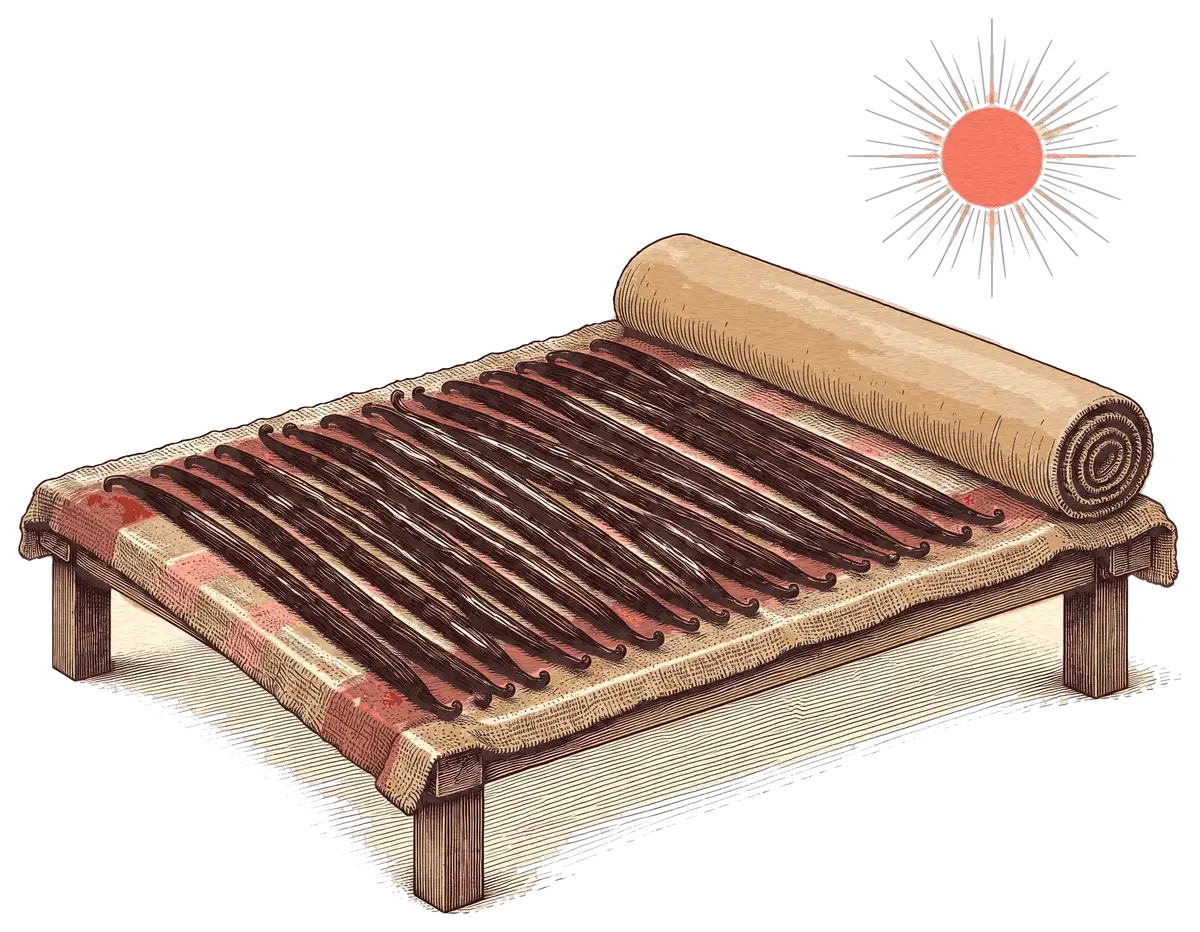
The drying phase begins and lasts about one to two months in all. For the first two to three weeks, the beans dry in the sun on bardas (traditional blankets) 2 to 3 hours a day. The beans are rolled up and stored in piles overnight if not dry enough.
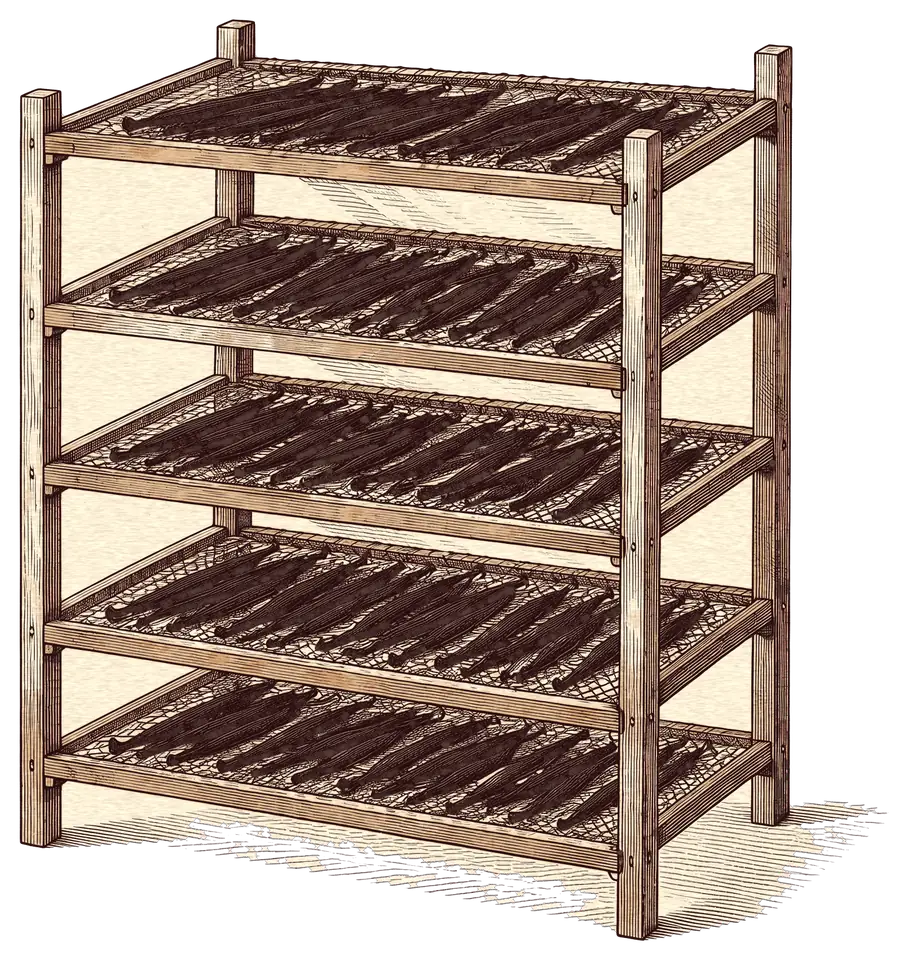
After initial sun drying, the beans are moved to elevated racks in the shade for about two weeks to a month. This ensures even air circulation, prevents mold, and allows the beans to lose moisture, gradually enhancing their flavor and aroma.
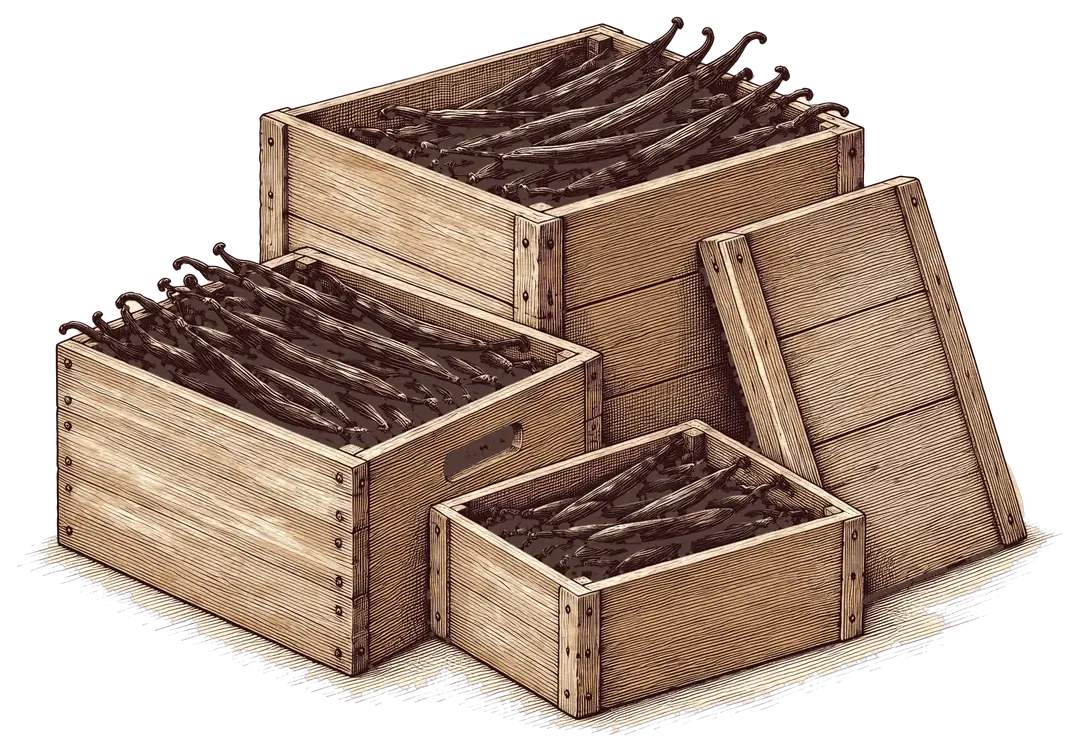
The beans are sorted by apparent moisture content and stored loosely in wooden crates to develop aromas while limiting pod weight loss through desiccation.
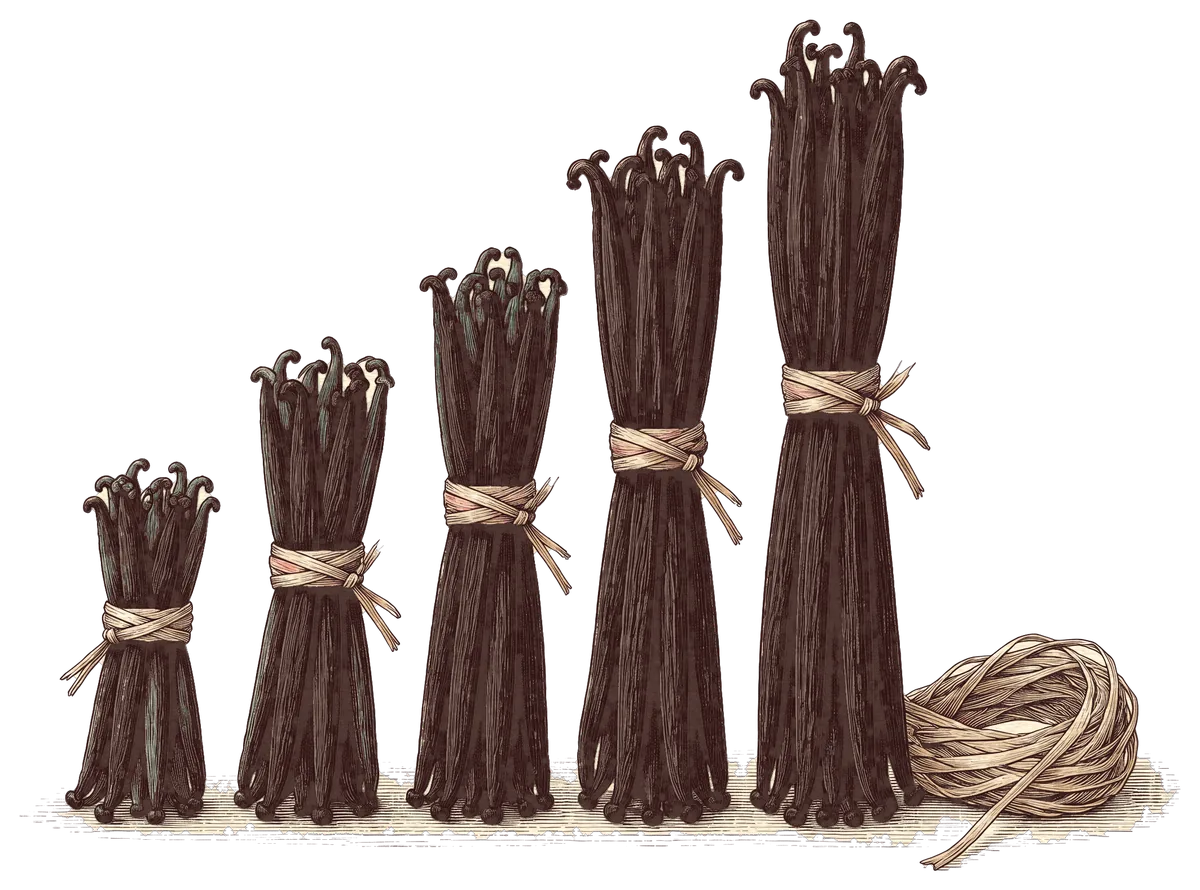
After several months of refining (typically 2 to 6 months), the pods are stabilized and then categorized based on their appearance, types, sizes (10 cm to 22 cm, 4 to 8.7 in), moisture levels, and colors before being grouped into bundles and tied with raffia.
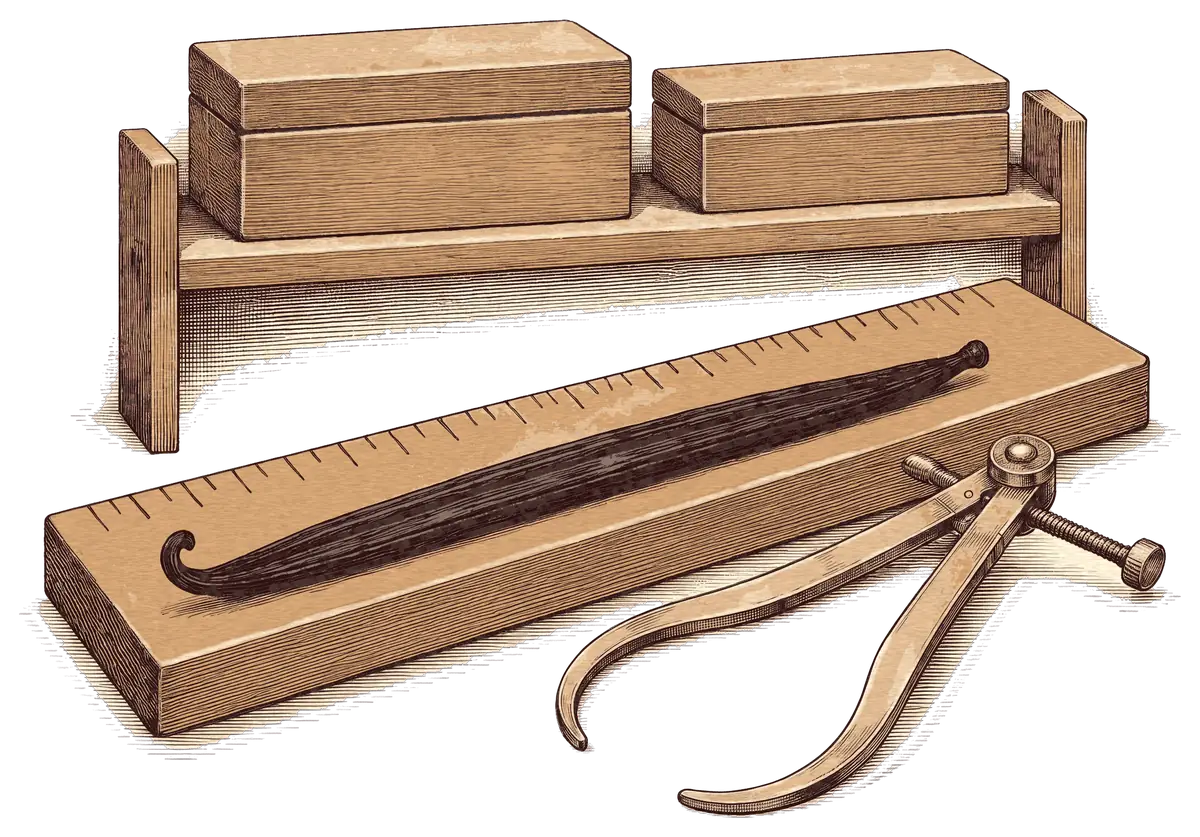
The vanilla is meticulously calibrated and then stored, awaiting export, to guarantee its optimum quality.
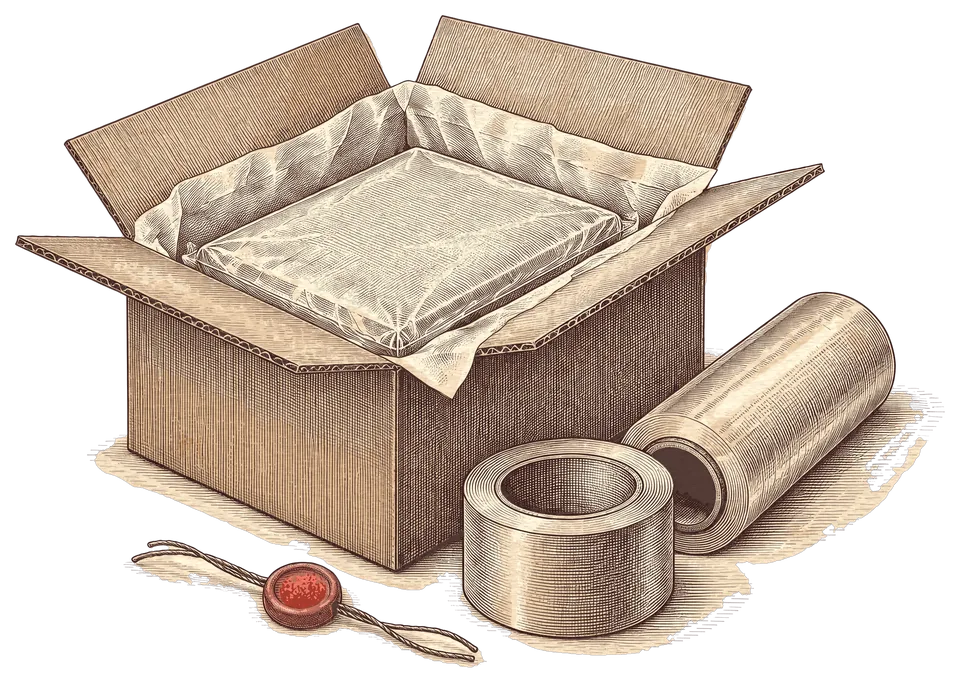
The vanilla is packaged at the last moment. Homogeneous beans are wrapped in waxed paper and placed in boxes with a capacity of 15 to 25 kg (33 lb to 55 lb). The boxes are taped, filmed, and sealed by a customs officer.
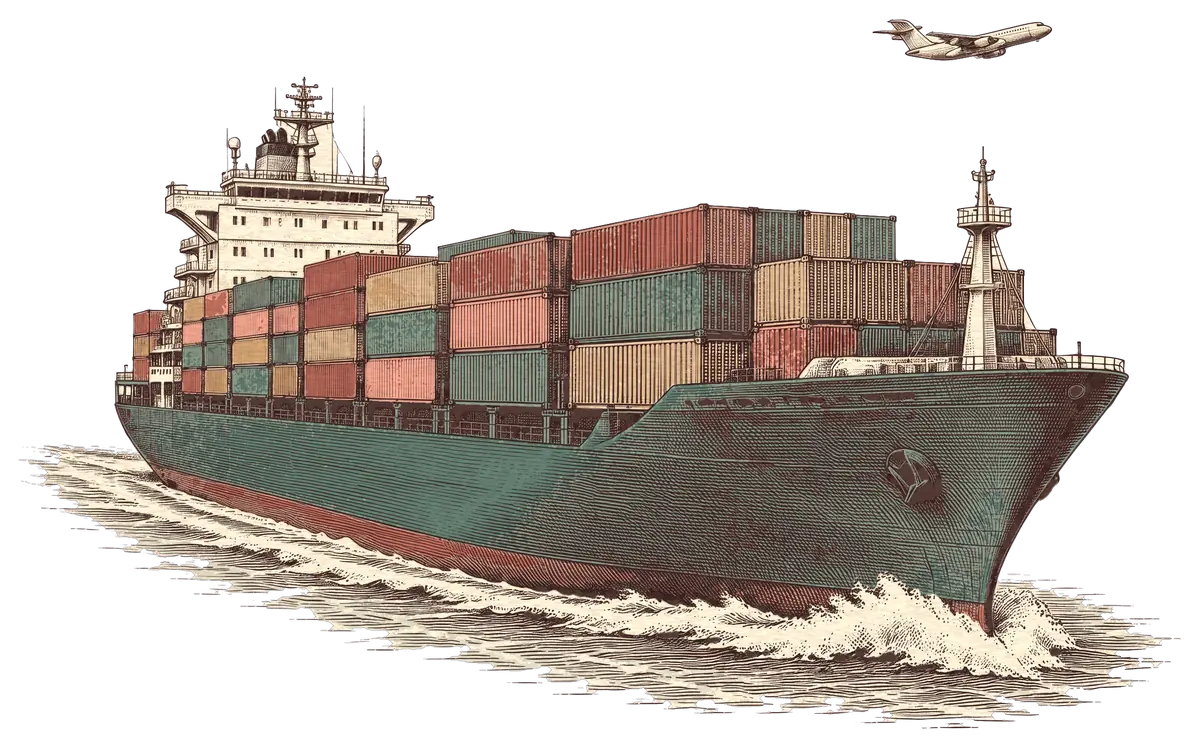
The carrier collects the merchandise directly from our center and heads to the airport or the port for shipping to the client.
Understand the rigorous quality control measures implemented by Vanilla Fair to maintain the consistency and excellence of our vanilla products.
Our mission is to supply the Flavor and Fragrances industry with top-tier Vanilla, characterized by superior flavor and aroma.
Selecting the finest vanilla involves stringent criteria, whether it’s green or semi-cured. We assess each bean’s maturity, length, variety, and flawlessness, including the absence of split beans, insects, molds, and phenolic acid. Our laboratory partners rigorously test for moisture levels and vanillin content, adhering to ISO norms. We accept only those beans that exemplify the highest quality, ensuring they undergo the ideal curing process.
Aware of the risks posed by metallic contaminants, we conduct dual metal detection checks on each bean throughout the curing process. This meticulous scrutiny safeguards against any metal contamination, maintaining the integrity of our vanilla.
Upholding the highest quality and safety standards, we rigorously follow HACCP protocols.
Tracing the journey of our vanilla beans, from remote farms to the end-user, is a complex but crucial task. With the aid of an independent team, we meticulously track bean lots from arrival, through curing, to final delivery, accounting for weight and moisture changes. Our advanced system sets us apart in vanilla bean traceability and quality assurance.

Discover the heart and soul behind our vanilla.
Learn about our dedicated farmers, their sustainable practices, and their passion for Vanilla. Let’s celebrate the incredible growers who make it all possible.

Maroantsetra, formerly Louisbourg, is a market town and domestic seaport in Analanjirofo Region, Madagascar, at the northern end of the Bay of Antongil.
Our curing sites, Ambaniala and Anjahamarina, are located here.
Located in Cesson-Sévigné, in the Rennes area of France, this facility serves as Vanilla Fair’s head office.
Export markets
We prepare our vanilla at our production and curing sites in Maroantsetra, north-eastern Madagascar, and export it to the markets below. Our European branch is in Rennes, France.
FromMaroantsetra, Madagascar · Production · Ambaniala curing
We source directly from smallholder farmers, then cure, sort, store and pack the vanilla in our own center until the carrier collects it.
Smallholder farmers around Maroantsetra
Our direct source. Every flower is pollinated by hand.
Our center, steps 1 to 7
Our center, steps 8 to 10
One partner From receiving the green vanilla to its collection by the carrier: the twelve steps of our curing process.
Step 1 of 3
Tell us what you need. We reply with specifications, availability and a tailored quotation.
Topic
Reference
Prefer to talk it through?
Book a call (opens in a new tab)